
Table of Contents
- Why Pet Owners Are Moving Away From Plastic Bowls
- Stainless Steel Pet Water Bowls: Durable and Hygienic
- Ceramic Pet Water Bowls: Style Meets Function
- Glass Water Bowls for Pets: Clear and Clean
- Best Water Fountains for Cats and Dogs: Flowing Water Benefits and Hydration
- Portable and Travel-Friendly Water Solutions
- Cleaning, Maintenance, and Replacement Criteria
- Quick Comparison: Material Pros, Cons, and Pricing
- Frequently Asked Questions
Last Updated: October 15, 2026
Why Pet Owners Are Moving Away From Plastic Bowls
Plastic pet water bowls have dominated the market for decades, but a quiet shift is happening in how pet owners think about hydration. Plastic degrades over time, harbors bacteria in microscopic scratches, and may leach chemicals into water that sits for hours.
The shift toward alternatives to plastic pet water bowls reflects growing awareness that material choice matters. Multi-pet owners in particular find the cheapest option becomes the most expensive when bowls need replacing every few months. This guide compares the most practical alternatives on durability, hygiene, maintenance, and real-world performance.
Stainless Steel Pet Water Bowls: Durable and Hygienic
Stainless steel is the workhorse of pet water bowl materials. It resists scratching, doesn't absorb odors, and won't degrade even with aggressive chewers or repeated dishwasher cycles.
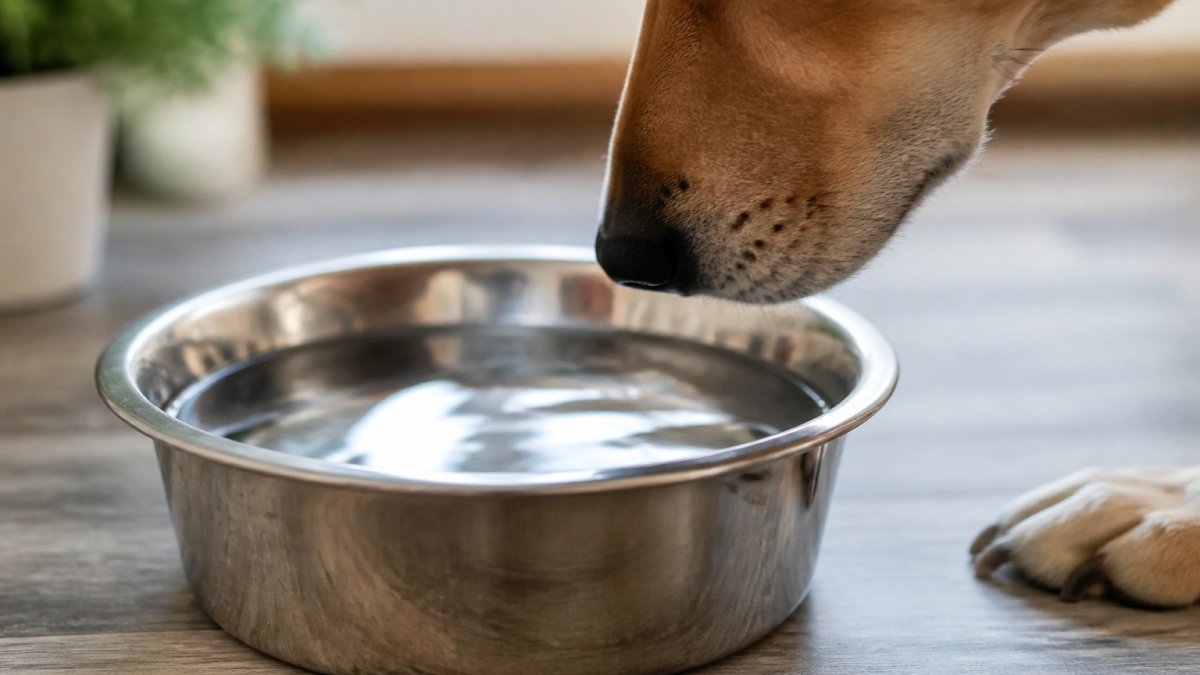
The material, typically 304 or 316 stainless steel, is food-grade and prevents the bacterial buildup that occurs in plastic. Unlike ceramic, it won't chip into sharp edges; unlike glass, it won't shatter if dropped.
Pros and Cons of Stainless Steel
Pros:
- Lasts years with minimal visible wear
- Dishwasher-safe and easy to sanitize
- Resists bacterial growth in scratches
- Non-leaching and chemically inert
- Lightweight but sturdy enough for any size pet
- Works well in elevated feeders for better ergonomics
Cons:
- Can be noisy when pets drink or nudge the bowl
- More expensive upfront than plastic
- May show water spots or fingerprints if not dried
- Some pets dislike the metallic taste initially (rare, but it happens)
Pricing and Top Options
PetzGlow offers stainless steel solutions for different household needs. The Pet Drinking Water Feeder Stainless Steel Cat Bowl at $22.36 provides automatic water refilling for single pets or small households. For multi-pet homes, the PawHut Raised Dog Feeding Bowls With Stand at $59.99 features dual stainless steel bowls on an MDF base, reducing neck strain and keeping water cleaner by separating it from floor-level dust.
A simple stainless steel bowl costs between $15 and $40 depending on size and brand.
Ceramic Pet Water Bowls: Style Meets Function
Ceramic bowls appeal to pet owners who want durability without the industrial look of stainless steel. They're heavier than plastic, so they tip less for enthusiastic drinkers, and the glazed surface stays cooler to the touch than metal or plastic, which some pets prefer in warm weather.

But ceramic is not a single material. It spans high-fired stoneware, earthenware, and porcelain, and the differences matter for safety and longevity. High-fired stoneware and porcelain are denser and less porous than low-fire earthenware, so they resist staining and bacterial retention better.
What the Evidence Actually Shows
A dropped bowl shatters, and a chipped glaze exposes unglazed clay that is more porous and harder to sanitize, a real hygiene concern but a maintenance issue rather than a material defect.
The chemical question is more nuanced. Some imported decorative ceramics have historically contained lead or cadmium in glazes, which is why food-contact ceramics are expected to meet FDA lead and cadmium leaching limits under 21 CFR 175.300. If a product page does not state food-grade or lead-free glaze, look elsewhere.
Pet-Specific Selection Guidance
Ceramic suits some pets and households better than others:
- Cats and small dogs: A shallow, wide ceramic dish is easier on whiskers and short muzzles than a deep narrow bowl. Whisker fatigue is a commonly reported reason cats leave water untouched.
- Flat-faced breeds (pugs, bulldogs, Persians): A wider, shallower ceramic bowl lets them drink without submerging their nose.
- Senior pets with arthritis: A heavier bowl stays put but is harder for a stiff pet to nudge. Pair ceramic with a non-slip mat rather than an elevated stand if the pet has trouble reaching up.
- Pets that paw or flip bowls: Ceramic's weight helps, but only with a wide base; a tall narrow ceramic bowl tips more easily than a squat one.
- Multi-pet homes: Ceramic chips when bowls knock together. If pets share a water station, expect more frequent replacement.
Benefits and Drawbacks
Benefits:
- Aesthetically appealing in a wide range of colors and designs
- Naturally cooler surface than metal or plastic
- Heavier, so less likely to slide or tip when the base is wide
- Food-safe and non-leaching when the glaze is properly fired and lead-free
- Retains water temperature longer than thin metal
Drawbacks:
- Breaks if dropped or struck hard
- Chipped glaze exposes porous clay that traps bacteria
- Low-fire earthenware is more porous than stoneware or porcelain
- Heavier than plastic, which matters for travel and for pets that need to move the bowl
- Dishwasher heat can dull or craze some glazes over time
Care and Replacement Criteria
Hand-wash ceramic in warm water with mild dish soap, and inspect the rim and interior for hairline cracks or glaze crazing (the fine web of cracks from thermal shock). A crazed bowl is still usable if cleaned thoroughly, but replace it once the surface feels rough or discolored.
For households with young children or clumsy pets, ceramic becomes an ongoing expense rather than a long-term solution. Owners who switched to stainless steel often cite the replacement cycle, while those who value stability, appearance, and a cooler surface stay with ceramic and buy better-glazed stoneware.
Glass Water Bowls for Pets: Clear and Clean
Glass offers complete transparency: you can see exactly how much water remains and spot debris instantly. It's non-porous, non-leaching, and chemically inert, and it doesn't retain odors or stains like plastic can after months of use.
The trade-off is obvious: glass breaks. A determined chewer or a slip on tile flooring means shattered glass and potential injury.
Glass is also heavier than plastic or ceramic, which provides stability but makes it harder to move for cleaning.
Water Fountain Stainless Steel, 108oz 3.2L Cat Fountain, Pet Water Fountain →
Best Water Fountains for Cats and Dogs: Flowing Water Benefits and Hydration
Many pets prefer flowing water to still water. The movement triggers their natural drinking instinct, and cats especially are drawn to moving water, which encourages them to drink more and stay better hydrated.
PetzGlow's stainless steel fountains are designed for multi-pet homes and noise-sensitive environments. The 246 oz./7L Stainless Steel Cat Water Fountain with Filters at $149.99 features a large capacity that reduces refills, an ultra-quiet pump below 35 decibels, and a multi-layer filter system.

The Water Fountain Stainless Steel, 108oz 3.2L Cat Fountain at $69.99 is a mid-range option with a water level window, hemispherical shape, and silent pump technology.
For smaller spaces or single-pet households, the PurrFlow cat water fountain Stainless Steel at $44.99 uses infrared sensor activation and holds 2.2 liters. It's compact, USB-powered, and ideal for apartments where noise is a concern.
Fountain Options for Multi-Pet Homes
Multi-pet households face a specific challenge: one fountain may not have enough capacity, and multiple fountains create clutter and maintenance headaches. The 7-liter fountain handles 2-3 pets without daily refills; the 3.2-liter option works for 2 pets or a single large dog with moderate activity.
When selecting a fountain for multiple pets, consider:
- Capacity relative to pet count: roughly 1 liter per pet per day for moderate activity
- Noise level: shared spaces benefit from pumps under 35 decibels
- Filter maintenance: multi-layer filters reduce debris but need monthly cleaning
- Power source: USB-powered fountains offer flexibility; plug-in models provide consistent power
Portable and Travel-Friendly Water Solutions
For pet owners on the move, traditional bowls become impractical. The Portable Dog Water Bottle with Bowl - Stainless Steel, No-Spill 10oz at $42.79 combines a durable stainless steel bottle with a collapsible silicone bowl.

The no-spill design prevents leaks into your bag, and the food-grade stainless steel resists odors and bacteria.
Travel solutions prioritize portability and leak-resistance over capacity. A 10-ounce bottle requires refills on longer outings, the trade-off for weight and compactness. Owners who travel frequently find that a dedicated travel bottle keeps their pet hydrated on schedule.
Cleaning, Maintenance, and Replacement Criteria
Different materials demand different care routines. Stainless steel bowls are dishwasher-safe and tolerate high heat. Ceramic requires gentler handling and hand-washing to preserve the glaze. Glass needs careful placement to avoid breakage but cleans easily in the dishwasher.
For water fountains, descaling is essential: hard water deposits build up on pump components and reduce flow efficiency. Most fountains include a cleaning brush. Monthly descaling with diluted vinegar or a commercial solution keeps the pump quiet and extends its lifespan.
Replace a bowl or fountain when:
- Visible cracks or chips appear (ceramic, glass) or scratches become deep (plastic)
- Odor persists after washing, indicating bacterial colonization in porous material
- Pump noise increases noticeably, suggesting wear or mineral buildup
- Water flow slows in fountains, indicating filter clogging or pump degradation
- Material discoloration won't wash away, suggesting chemical absorption
Quick Comparison: Material Pros, Cons, and Pricing
| Material | Durability | Ease of Cleaning | Hygiene | Cost Range | Best For |
|---|---|---|---|---|---|
| Stainless Steel | Excellent (3-5 years) | Dishwasher-safe | Excellent, non-porous | $15-$60 | Multi-pet homes, long-term use |
| Ceramic | Fair (1-2 years) | Hand-wash preferred | Good, but porous | $20-$50 | Aesthetic appeal, calm households |
| Glass | Fair (1-2 years) | Dishwasher-safe | Excellent, fully transparent | $15-$45 | Supervision-heavy environments |
| Plastic | Poor (6-12 months) | Dishwasher-safe | Fair, scratches trap bacteria | $5-$20 | Budget-conscious, temporary use |
| Stainless Steel Fountain | Excellent (2-3 years) | Monthly descaling required | Excellent, circulating water | $45-$150 | Hydration encouragement, multi-pet homes |
The transition from plastic to alternatives to plastic pet water bowls isn't just about aesthetics, it's about reducing waste, improving water quality, and simplifying your daily routine. Stainless steel bowls and fountains provide peace of mind that your pet's water is safe and clean.
Pet owners who prioritize durability and hygiene find that quality water solutions reduce stress and improve their pet's wellness. At PetzGlow, we've designed our stainless steel fountains and bowls specifically for households managing multiple pets. Our high-capacity fountains with ultra-quiet pump technology support multi-pet hydration without constant refilling or disruptive noise. Shop now to discover how the right water solution transforms daily pet care.
Frequently Asked Questions
What are the best alternatives to plastic pet water bowls?
Stainless steel, ceramic, glass, and water fountains are the top alternatives to plastic pet water bowls. Stainless steel bowls are durable and resist bacteria growth. Ceramic offers style but can chip. Glass is clear and hygienic but breakable. Water fountains encourage hydration through flowing water, which many pets prefer. Each option has distinct advantages depending on your pet's needs, your home setup, and maintenance preferences.
Why should I switch from a plastic pet water bowl?
Plastic bowls can harbor bacteria in scratches, leach chemicals over time, and develop odors that persist even after washing. They're also prone to damage from aggressive chewers. Non-plastic alternatives like stainless steel and ceramic are more hygienic, longer-lasting, and safer for pets. Stainless steel, in particular, resists bacterial growth and prevents conditions like feline acne (black chin) that can develop from plastic contact.
Are stainless steel water bowls better than ceramic for pets?
Stainless steel and ceramic each have strengths. Stainless steel is more durable, dishwasher-safe, non-porous, and resists bacteria better than ceramic. Ceramic is attractive and can be easier on sensitive teeth, but it chips and cracks more easily and requires careful handling. For multi-pet homes or aggressive chewers, stainless steel is the more practical choice. For aesthetic appeal and occasional use, ceramic works well if handled gently.
Can a water fountain replace a pet water bowl?
Yes, water fountains can replace traditional bowls and often provide better hydration. The flowing water feature encourages pets to drink more, which is especially beneficial for cats. Fountains like the 246 oz. 7L stainless steel fountain ($149.99) hold enough water for multiple pets and require fewer refills. However, some pets still prefer static bowls, so offering both options ensures your pet stays hydrated regardless of preference.
How often should I clean non-plastic pet water bowls?
Clean water bowls daily to prevent bacterial buildup and algae growth. Stainless steel and ceramic bowls are dishwasher-safe, making daily cleaning convenient. Water fountains need weekly filter changes and monthly deep cleaning with the included brush to remove mineral deposits. Regular maintenance extends the life of any bowl and keeps your pet's water fresh and safe. Empty and refill bowls at least once daily, more frequently in warm weather or multi-pet homes.