
Table of Contents
- Do Cats Actually Prefer Running Water Over Still Water?
- Health Benefits: Hydration, Urinary Tract, and Kidney Health
- Cat Water Fountain vs. Bowl: Which Encourages More Drinking?
- Cost Breakdown: Purchase Price and Total Cost of Ownership
- How Often to Clean a Cat Water Fountain
- Best Water Fountain for Multiple Cats: Capacity and Quiet Operation
- Quiet Water Fountain for Cats: What Actually Works
- The Real Verdict: Is a Water Fountain Worth It?
- Frequently Asked Questions
Last Updated: October 19, 2026
Do Cats Actually Prefer Running Water Over Still Water?
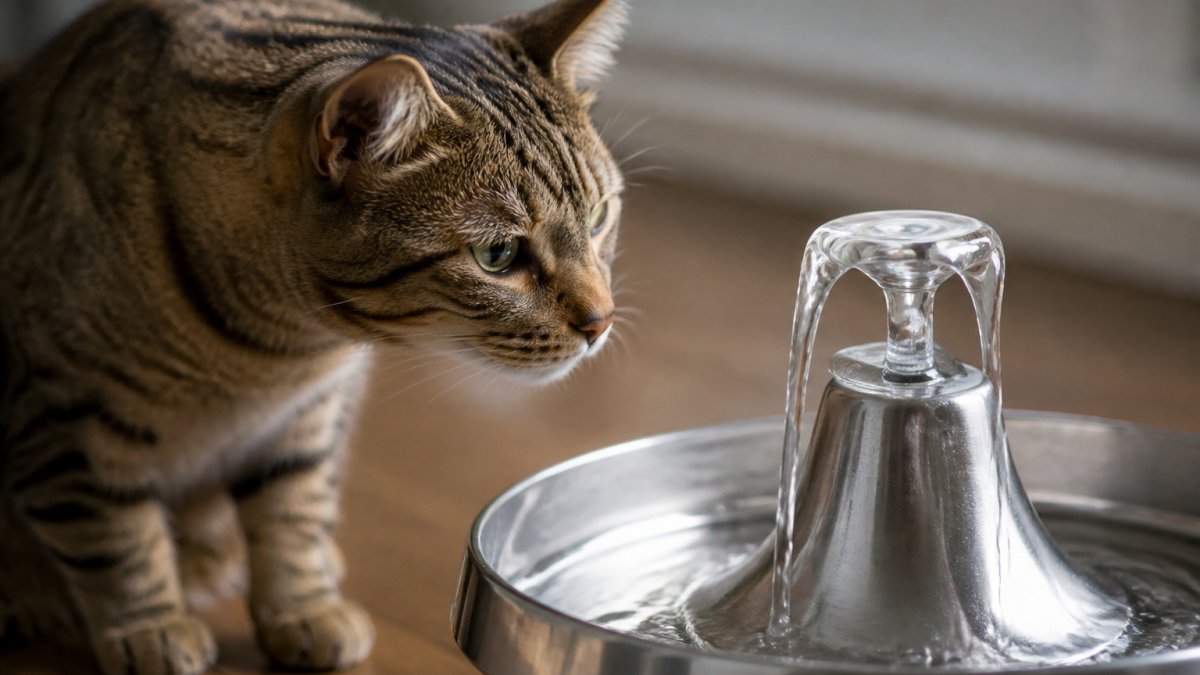
Cats have a well-documented preference for running water, and understanding why can help you decide if a water fountain is worth it for cats. Many cats naturally gravitate toward moving water sources, faucets, streams, fountains, rather than sitting water in a bowl. This behavior stems from their instincts: in the wild, moving water is typically fresher and safer than stagnant sources that may harbor bacteria or parasites.

The shape of a fountain's spout also appeals to a cat's curiosity and exploratory nature. When water flows continuously, it catches their attention and encourages them to drink more frequently throughout the day.
The real advantage isn't just the moving water itself, it's the psychological engagement. Cats tend to drink more when they're intrigued by the action of the water. This increased water intake can have meaningful health implications over time.
Health Benefits: Hydration, Urinary Tract, and Kidney Health
Increased water consumption directly supports feline health. Cats are notorious for not drinking enough water when it's presented in still bowls, which can lead to dehydration and related health concerns. A water fountain worth it for cats addresses this problem by making hydration more appealing.
Proper hydration supports urinary tract health by promoting regular urine production and dilution. Concentrated urine increases the risk of urinary tract issues in cats.
Kidney health is another critical factor. Chronic kidney disease is one of the most common conditions affecting older cats (Epidemiology of Chronic Kidney Disease (CKD) in Cats: An Analysis of the Factors Involved).
The connection between hydration and feline health is well-recognized by veterinarians. Many recommend fountains specifically for cats with a history of urinary issues or early-stage kidney disease. However, a fountain is a supportive tool, not a treatment, it works best alongside veterinary care and appropriate diet.
Cat Water Fountain vs. Bowl: Which Encourages More Drinking?
The choice between a fountain and a traditional bowl comes down to behavioral differences in how cats engage with each. A still water bowl sits passively, requiring the cat to approach it and drink on their own schedule. Many cats simply don't drink enough from bowls because the water offers no stimulation.
A fountain creates movement and sound, two elements that trigger a cat's hunting and exploration instincts. This active engagement often translates to more frequent visits and longer drinking sessions. Cats may approach a fountain multiple times throughout the day simply because it's interesting to watch and interact with.
That said, not all cats respond equally. Some cats have strong bowl habits and show little interest in fountains. Others take to fountains immediately.
| Water Source | Engagement Level | Typical Drinking Frequency | Best For |
|---|---|---|---|
| Still bowl | Low | 1-2 times daily | Cats with established drinking habits |
| Water fountain | High | 3-5+ times daily | Cats that need encouragement to drink |
| Multiple sources | Highest | Varies by cat | Multi-cat homes, mixed preferences |
Cost Breakdown: Purchase Price and Total Cost of Ownership
Understanding the true cost of a water fountain requires looking beyond the initial purchase price. The upfront investment varies depending on the model and features you choose. PetzGlow offers several options to fit different household needs and budgets.
The PurrFlow cat water fountain Stainless Steel starts at $44.99 and provides a compact, infrared-activated option with a 2.2-liter capacity. For larger households or cats that drink more, the 3.2L model is priced at $69.99 and includes a water level display window, making it easy to monitor water without opening the lid.

Beyond purchase price, ongoing costs include electricity (minimal, most fountains use less power than a night light), replacement filters, and occasional cleaning supplies. Filters typically need replacement every 2-4 weeks, depending on water quality and usage. This recurring cost averages a few dollars per month but varies by model.
Total cost of ownership over one year includes the fountain itself, filters, and electricity. For most households, this amounts to less than the cost of monthly veterinary visits related to urinary or kidney issues, making the investment worthwhile if it prevents health problems.
How Often to Clean a Cat Water Fountain
Fountain maintenance directly affects whether your cat will continue using it. A neglected fountain with stagnant water, algae buildup, or debris becomes less appealing, defeating the purpose of encouraging hydration.
Clean the water fountain at least twice per week. This involves emptying the reservoir, rinsing the basin and pump, and refilling with fresh water. A quick rinse takes five minutes and prevents bacterial growth.
Deep cleaning should happen weekly. Remove the pump, soak it in warm water to clear mineral deposits, and scrub the basin and spout with a soft brush.
Filter replacement is equally important. Check your specific model's recommendations, most need new filters every 2-4 weeks. A clogged filter reduces water circulation and allows bacteria to accumulate.
The cleaning workload is real, and it's a primary reason some cat owners abandon fountains after initial enthusiasm. If you're not willing to commit to regular maintenance, a fountain may not be worth it for your household.
Best Water Fountain for Multiple Cats: Capacity and Quiet Operation
Multi-cat households face unique challenges. A small fountain may require constant refilling, and multiple cats competing for water access can create stress. Capacity becomes critical when serving more than one pet.
The 7L stainless steel fountain with ultra-quiet pump technology is specifically designed for multi-cat homes. Its 1.8-gallon capacity means fewer refills and ensures that all cats have adequate access to fresh water throughout the day.

Capacity alone isn't enough, noise level matters too. A loud pump can startle cats and discourage them from using the fountain. Some cats are noise-sensitive, and a constant whirring sound can create stress in the home, particularly in smaller apartments or homes with anxious pets.
PurrFlow cat water fountain Stainless Steel →
The ultra-quiet pump technology in PetzGlow's 7L model operates at less than 35dB, comparable to a whisper. This near-silent operation means cats won't be startled, and you won't hear constant humming in the background. Multiple cats can drink simultaneously without competing for a single spout, reducing territorial tension.
Quiet Water Fountain for Cats: What Actually Works
Noise is often overlooked in fountain discussions, but it's a real factor in whether cats will use the device consistently. A loud pump creates a barrier to adoption, especially for sensitive or anxious cats.
True quiet operation requires two things: a well-designed pump and proper water circulation. Cheap pumps vibrate excessively and produce grinding sounds. Quality pumps use bearings and motor design that minimize vibration and noise.
Water flow design also affects noise. If water splashes or hits surfaces harshly, the fountain becomes noisier regardless of pump quality.
PetzGlow's ultra-quiet pump technology addresses both factors. The pump itself is engineered to run smoothly, and the faucet-style spout delivers water in a controlled stream rather than a dramatic spray.
When shopping for a quiet fountain, don't rely on marketing claims alone. Look for noise level specifications (measured in decibels). Under 35dB is genuinely quiet. Over 40dB will be noticeable in a quiet room.
The Real Verdict: Is a Water Fountain Worth It?
Whether a water fountain is worth it for cats depends on your specific situation, your cat's behavior, and your willingness to maintain the device. There's no universal answer, but several factors can guide your decision.
A fountain is worth it if:
- Your cat shows signs of not drinking enough water (dry mouth, concentrated urine, lethargy)
- You have multiple cats and want to encourage higher water intake across the household
- Your cat has a history of urinary tract issues or early-stage kidney disease
- You're willing to commit to regular cleaning and filter replacement
- Your home setup allows for easy access and maintenance
A fountain may not be worth it if:
- Your cat already drinks plenty from a bowl and shows no hydration concerns
- You're unwilling to clean the fountain regularly (at least twice weekly)
- You live in a very small space where noise or clutter is a concern
- Your cat has shown complete disinterest in water fountains after a trial period
- Budget constraints make the ongoing filter costs difficult to manage
The health argument is compelling for cats at risk of dehydration or urinary issues. The behavioral argument is equally strong, if your cat will drink more from a fountain, the increased hydration alone justifies the investment. But if your cat is already well-hydrated and you're adding a fountain purely as an accessory, the maintenance burden may outweigh the benefit.
Make the Right Choice with PetzGlow
If you've decided a fountain is right for your cat, choosing the right model matters. PetzGlow offers three fountain options specifically designed to meet different household needs.
For single cats or small households, the PurrFlow Stainless Steel fountain at $44.99 provides reliable hydration in a compact design with infrared activation that encourages your cat to engage with the water.
For cats that need a water level display and slightly larger capacity, the 3.2L model at $69.99 includes a convenient viewing window and multi-filter system, saving you time on monitoring and maintenance.
For multi-cat homes or households prioritizing near-silent operation, the 7L ultra-quiet fountain at $149.99 is our professional-grade solution.
Every PetzGlow fountain is built from food-grade stainless steel, designed to prevent bacterial buildup and keep water fresh longer.
Start with the fountain that matches your household size and noise sensitivity.
Shop PetzGlow water fountains now and give your cat the hydration they need.
Frequently Asked Questions
Do cats really drink more water from a fountain than a bowl?
Many cats show increased interest in moving water because they're attracted to the sound and motion. A water fountain for cats mimics natural flowing water sources, which appeals to their instincts. However, individual cats vary widely, some will drink significantly more, while others may ignore the fountain entirely. The best way to know if your cat will respond is to try one and monitor intake over 2-3 weeks.
How often should you clean a cat water fountain?
Most fountains need daily rinsing of the bowl and weekly deep cleaning of the pump and filter. Depending on your water hardness and cat's shedding, you may need to change filters every 2-4 weeks. Neglecting this allows algae and bacteria to build up, which defeats the health purpose. Models with easy-access filters and removable parts make this task much faster and more likely to stick as a habit.
Are quiet water fountains for cats actually quiet?
Noise levels vary significantly. Most pump-based fountains produce some sound, typically 30-40 decibels. Premium models with better pump design run quieter, some as low as under 35dB. If your cat is noise-sensitive or you live in a small space, look for fountains explicitly rated for low noise. Reading customer reviews about actual noise experience is more reliable than specifications alone.
What capacity water fountain do I need for multiple cats?
A 2-3 liter fountain works for 1-2 cats and requires refilling every 2-3 days. For 3+ cats, consider a 3.2-liter or larger model to reduce daily maintenance. High-capacity fountains (1.8 gallons or more) are designed specifically for multi-pet homes and require fewer refills, which is especially helpful if you travel or have a busy schedule. Check your specific cats' drinking habits before choosing.
Is a water fountain worth it if my cat has never shown interest in running water?
Not automatically. If your cat drinks adequately from a regular bowl and shows no curiosity about moving water, a fountain may be an unnecessary expense. However, if your cat is prone to urinary issues, older, or drinks very little, trying a fountain could be worthwhile. Consider starting with a mid-range option rather than a premium model, or test one before committing to a larger purchase.