
Table of Contents
- Why Clean Pet Water Matters
- Daily Cleaning Routine to Keep Pet Water Clean
- How Often to Clean Pet Water Fountain
- Stainless Steel vs Plastic Pet Bowls
- How to Remove Algae from Pet Water Bowl
- Signs of Contaminated Water and When to Replace
- Multi-Pet Household Water Management
- Common Mistakes to Avoid
- Frequently Asked Questions
Last Updated: September 20, 2026
Why Clean Pet Water Matters
Your pet's water bowl is one of the most overlooked sources of bacteria and contaminants in your home. Water that sits stagnant becomes a breeding ground for pathogens, algae, and biofilm, a slimy layer of bacteria that forms on bowl surfaces within days. Pets drinking from contaminated water face dehydration, digestive issues, and infections. Keeping pet water clean isn't just about freshness; it's about protecting your pet's health.
Clean water encourages pets to drink more, keeping them hydrated and healthy. Neglected water bowls become breeding grounds for harmful microorganisms that compromise your pet's well-being.
Daily Cleaning Routine to Keep Pet Water Clean
A consistent daily routine is the foundation of healthy hydration. Most pet owners refill without emptying and cleaning first, allowing bacteria to accumulate. Your daily ritual takes just five minutes.
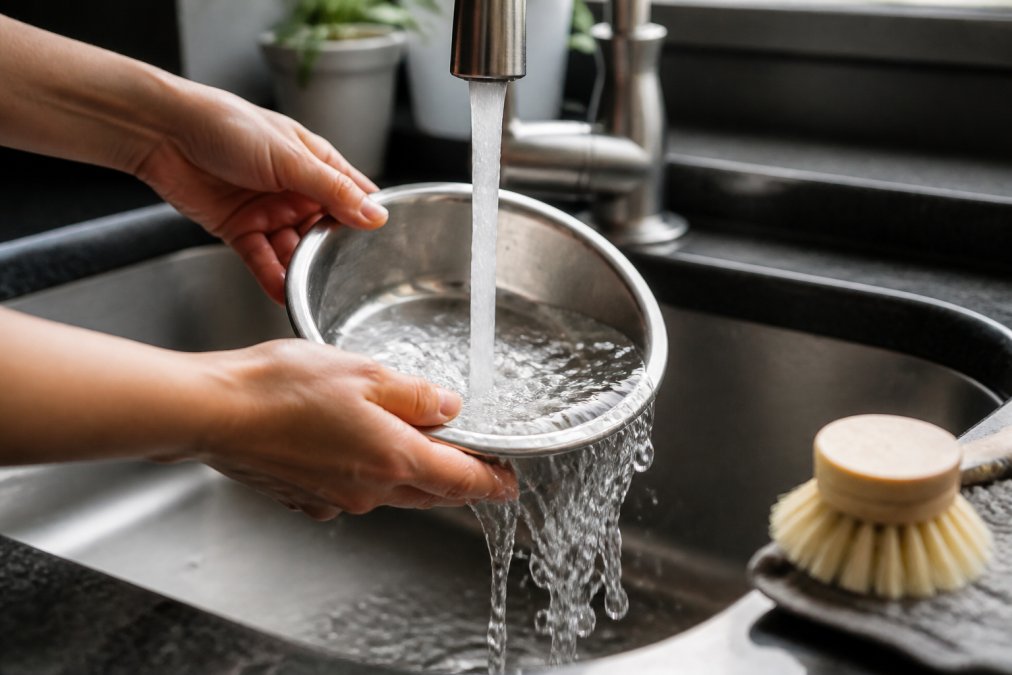
Step 1: Empty and Inspect
Start fresh every morning and evening. Empty any remaining water from the bowl, even if it looks clean. Look for visible slime, discoloration, or cloudiness on the bowl's surface or water line.
A quick inspection catches early signs of biofilm or algae. If you spot anything unusual, perform a deeper clean immediately.
Step 2: Rinse with Fresh Water
Rinse the bowl thoroughly under running tap water. Use your fingers or a soft cloth to wipe down the interior surfaces. Pay special attention to the bottom and edges where bacteria tend to accumulate.
Step 3: Refill with Fresh Water
Fill the bowl with fresh, cool water. Use tap water unless your local water quality is questionable; then use filtered or distilled water. Change the water at least twice daily, more often in hot weather or for multiple pets.
How Often to Clean Pet Water Fountain
Water fountains encourage hydration through flowing water, but the pump and filter require regular maintenance.
Weekly Deep Clean with Sanitization
Once per week, empty the fountain completely and disassemble all removable parts. Wash each component with hot water and dish soap, using a scrub brush to remove slime and buildup. For stubborn biofilm, soak parts in equal parts distilled vinegar and water for 15-30 minutes, then rinse thoroughly. Refill and run the fountain for a few minutes to flush the system before your pet drinks.
Monthly Filter Replacement and Descaling
Replace carbon filters monthly or more frequently with multiple pets or hard water. Descale monthly to prevent clogs and keep the pump running quietly, using a commercial descaler or vinegar-and-water solution.
Stainless Steel vs Plastic Pet Bowls
Material choice affects bacterial colonization and maintenance requirements. Understanding the differences helps you pick the right bowl.
Stainless Steel Bowls
Advantages: Stainless steel is non-porous, resists corrosion, doesn't absorb odors, and is dishwasher safe. Food-grade 304 stainless steel lasts for years with proper care.
Cleaning specifics: Dry with a soft cloth after each rinse to prevent water spots. For weekly deep cleans, use equal parts distilled vinegar and water to dissolve mineral buildup. Avoid abrasive scrubbers. Stainless steel tolerates hot water and dishwasher cleaning well.
Lifespan: Stainless steel bowls last 5-10 years or longer, making them cost-effective despite higher upfront expense.
Plastic Bowls
Advantages: Plastic is lightweight, affordable, and comes in many colors and styles. It's a reasonable short-term solution for single-pet households.
Disadvantages: Plastic is porous; scratches trap bacteria that survive regular washing. Plastic absorbs odors and stains, and discoloration indicates bacterial colonization. Many pets develop chin acne from plastic bowls harboring Pseudomonas and Staphylococcus bacteria.
Cleaning specifics: Use cool or room-temperature water only; hot water warps plastic. Hand wash with mild dish soap and a soft cloth. Avoid abrasive scrubbers and vinegar solutions. Inspect weekly for cracks or permanent discoloration; replace if damage appears.
Lifespan: Plastic bowls typically need replacement every 6-12 months, depending on use and water quality. Frequent replacement increases long-term cost and environmental impact.
Ceramic Bowls
Advantages: Ceramic is non-porous like stainless steel and offers aesthetic appeal. Food-grade ceramic glazes are safe for pets.
Water Fountain Stainless Steel, 108oz →
Disadvantages: Ceramic is fragile and can chip or crack, creating harboring spots for bacteria and choking hazards. Some glazes contain lead or cadmium; always verify food-grade certification (the FDA).
Cleaning specifics: Ceramic tolerates hot water and dishwasher cleaning well. Use soft brushes to avoid chipping the glaze. Inspect regularly for chips or cracks. If damage appears, discard the bowl immediately. Ceramic bowls are best for single-pet households where the bowl receives gentle handling.
Recommendation for Multi-Pet and Long-Term Use
For multi-pet households, pets prone to skin infections, or owners who want a durable, low-maintenance solution, stainless steel is the clear winner. Its non-porous surface resists bacterial colonization, it tolerates aggressive cleaning methods, and it lasts years. Plastic is acceptable only for single-pet households with frequent bowl replacement and careful monitoring for damage. Ceramic works for gentle-use households but requires vigilant inspection for cracks.
How to Remove Algae from Pet Water Bowl
Green or brown slime in your pet's water bowl is algae or biofilm. Both indicate that bacteria has colonized the surface and your pet's water is unsafe. Understanding what causes algae growth helps you prevent it from returning.
Identifying Algae and Biofilm Buildup
Algae appears as green, brown, or black discoloration and grows in sunlight or stagnant water. Biofilm is a thin, slippery layer that forms within days and protects bacteria underneath. Both require immediate action.
Environmental Factors That Accelerate Algae Growth
Before removing algae, address the conditions that caused it. Algae thrives in specific environments, and prevention is far easier than repeated removal.
Sunlight exposure: Direct sunlight is the primary driver of algae growth. Move bowls from windowsills, glass doors, or bright areas to shaded locations. This single change prevents most algae problems.
Water stagnation: Water sitting unchanged for more than 12 hours stagnates. Change water twice daily to prevent stagnation, or three times daily in hot weather above 75°F.
Proximity to litter boxes or food: Position water bowls at least 3 feet away from litter boxes and 2 feet away from food bowls to reduce bacterial contamination.
Water quality and mineral content: Hard water leaves deposits that harbor algae.
Step-by-Step Algae Removal Process
Step 1: Empty the bowl completely. Do not let your pet drink from it.
Prevention Table
| Problem | Primary Cause | Immediate Fix | Long-Term Prevention |
|---|---|---|---|
| Green or brown slime | Algae growth from sunlight or stagnant water | Soak in vinegar solution; scrub thoroughly | Move bowl away from direct sunlight; change water twice daily |
| Cloudy film | Biofilm bacteria buildup | Soak 2+ hours; scrub with baking soda paste | Clean bowl daily; use stainless steel instead of plastic; increase water changes |
| White, chalky deposits | Hard water minerals | Soak in vinegar; use distilled vinegar for stubborn buildup | Switch to filtered or distilled water; descale fountains monthly |
| Rapid regrowth after cleaning | Multiple causes: sunlight, stagnation, hard water, poor placement | Address all three factors simultaneously | Combine sunlight avoidance, twice-daily changes, and filtered water |
When to Replace the Bowl
If algae returns within 2-3 days despite addressing environmental factors, the bowl material may be compromised. Inspect for visible damage, permanent discoloration, or persistent odor. If present, replace with stainless steel.

Signs of Contaminated Water and When to Replace
Your pet cannot tell you the water tastes off. Watch for these signs that indicate contaminated water that needs immediate replacement.
Multi-Pet Household Water Management
Use multiple bowls or a high-capacity fountain. Separate bowls reduce competition and allow you to monitor each pet's water intake. The PetzGlow 246 oz./7L stainless steel fountain holds enough water for multiple cats or small dogs for several days, reducing refill frequency.

Common Mistakes to Avoid
Understanding what not to do prevents most water quality problems.
Frequently Asked Questions
How often should I wash my pet's water bowl?
Empty and rinse your pet's water bowl daily to remove debris and bacteria. Perform a thorough wash with hot water and dish soap at least once weekly. For fountains, clean the pump and filter weekly and replace filters monthly. In multi-pet households with heavy use, consider twice-weekly deep cleaning to prevent biofilm and algae buildup that can harbor pathogens harmful to your pet's health.
What is the best material for a pet water bowl to prevent bacteria?
Stainless steel is the superior choice for preventing bacterial growth. Unlike plastic, which develops microscopic scratches that harbor bacteria and can cause black chin in cats, stainless steel is non-porous and resists corrosion and oxidation. Ceramic bowls are also effective if food-grade and chip-free. Avoid plastic bowls long-term, as they degrade and create ideal environments for pathogens. High-capacity stainless steel fountains like the 246 oz. option with multi-layer filters provide optimal protection for multi-pet homes.
Is it safe to use vinegar to clean pet water bowls?
Yes, distilled vinegar is safe and effective for cleaning pet water bowls. Mix equal parts distilled vinegar and water to soak bowls and remove mineral deposits, algae, and biofilm. Scrub thoroughly with a brush, rinse completely with fresh water, and allow to air dry. This method works well for weekly sanitization and descaling without harsh chemicals. Ensure all vinegar residue is rinsed away before refilling, as pets should not consume vinegar directly.
How do you keep pet fountain water from getting slimy?
Slime is biofilm caused by bacteria and algae thriving in stagnant water. Prevent it by emptying and rinsing the fountain daily, replacing water every 2-3 days, and performing weekly deep cleaning with hot water and a scrub brush. Clean the pump intake weekly to remove debris that blocks water circulation. Use a multi-filter system to reduce contaminants, and consider fountains with flowing water features that keep water moving, circulation prevents the stagnation that allows slime to develop. Replace filters monthly for optimal performance.