
Table of Contents
- Why Stainless Steel Pet Water Fountains Matter
- Key Benefits of Stainless Steel Pet Water Fountains
- Stainless Steel vs. Plastic Pet Fountains: What's the Difference
- Pet Water Fountain Pros and Cons: What You Should Know
- How to Clean a Pet Water Fountain Properly
- How Often to Change Pet Fountain Water
- Choosing the Right Stainless Steel Fountain for Your Pets
- Frequently Asked Questions
Last Updated: October 8, 2026
Why Stainless Steel Pet Water Fountains Matter
Stainless steel pet water fountains have become essential for pet owners who prioritize durability, hygiene, and their pets' hydration habits. Unlike plastic alternatives, a stainless steel pet water fountain resists bacterial growth, won't leach chemicals, and withstands the wear and tear of multi-pet households. Pet owners investing in quality hydration solutions often report measurable improvements in their pets' water intake and overall wellness.

The flowing water design in these fountains taps into natural animal behavior. Cats and dogs instinctively prefer moving water over stagnant bowls, a trait rooted in their preference for fresh water sources in nature. When pets drink more consistently, they're less prone to urinary tract issues and kidney problems, concerns that motivate many owners to upgrade from basic water bowls.
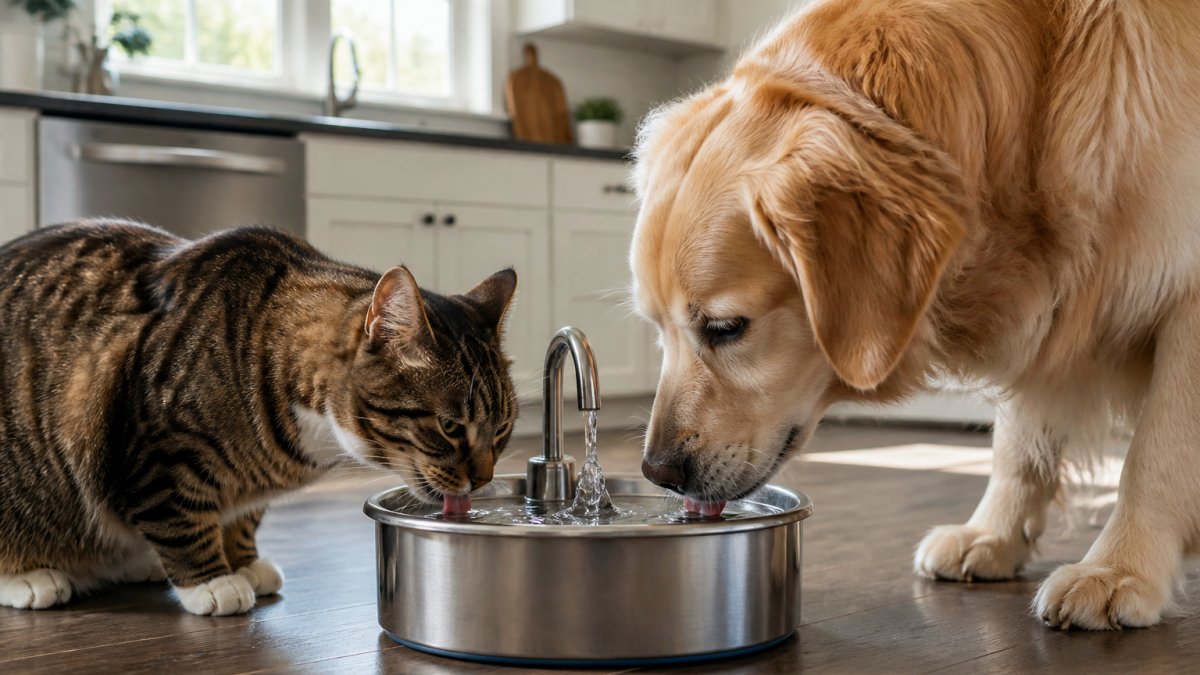
Stainless steel construction also simplifies maintenance. The material doesn't absorb odors or stains, making cleaning straightforward and reducing the bacterial buildup that plagues plastic fountains over time. For busy pet parents managing multiple animals, this durability translates to fewer replacements and less frequent deep cleaning cycles.
Key Benefits of Stainless Steel Pet Water Fountains
A stainless steel pet water fountain delivers several concrete advantages that justify the investment for most households. The material itself is the foundation, 304-grade stainless steel (the standard in quality fountains) resists corrosion, won't develop the cloudy film that plastic accumulates, and maintains its appearance for years.
Flowing water encourages consistent hydration. Pets drawn to moving water drink more frequently throughout the day, which supports kidney function and helps prevent dehydration-related health issues. This behavioral shift is particularly important for cats, who historically consume less water than dogs and are prone to urinary complications.
Hygiene stands out as a major benefit. Stainless steel doesn't harbor bacteria in microscopic scratches the way plastic does. The material is also food-grade safe, meaning no chemical leaching occurs when water sits in the reservoir. For multi-pet households, this matters significantly, shared drinking sources need maximum cleanliness to prevent cross-contamination of illnesses.
The aesthetic advantage shouldn't be overlooked. Stainless steel fountains complement modern home décor rather than looking like utilitarian pet equipment. Many owners appreciate that these fountains fit seamlessly into kitchens and living spaces without the plastic appearance that dates quickly.
Longevity is perhaps the most underrated benefit. While a quality stainless steel fountain costs more upfront, it typically outlasts three to five plastic alternatives. Over a pet's lifetime, the total cost of ownership often favors stainless steel, especially in households with aggressive chewers or multiple animals that stress equipment.

Stainless Steel vs. Plastic Pet Fountains: What's the Difference
The material choice fundamentally changes the fountain's performance and lifespan. Plastic fountains are lighter and cheaper initially, but they degrade quickly. Scratches accumulate from normal cleaning, creating microscopic spaces where bacteria colonize. Over months, plastic develops discoloration, absorbs odors, and may develop a permanent smell that cleaning cannot fully eliminate.
Stainless steel resists all of these issues. The smooth surface doesn't scratch easily, and even when minor marks occur, they don't create bacterial harbors. The material maintains its appearance indefinitely and never absorbs odors. A stainless steel pet water fountain can function reliably for five to seven years with proper maintenance, far exceeding typical plastic fountain lifespans.

Thermal properties differ too. Plastic heats up in sunlight and can warm water to uncomfortable temperatures. Stainless steel maintains cooler water temperatures naturally, which appeals to many pets and may encourage higher intake during warm months.
Weight and portability favor plastic initially, but this advantage disappears once you factor in replacement frequency. Moving a stainless steel fountain occasionally is a minor inconvenience compared to replacing plastic fountains annually.
| Feature | Stainless Steel | Plastic |
|---|---|---|
| Bacterial resistance | Excellent; non-porous | Poor; scratches harbor bacteria |
| Lifespan | 5-7 years | 1-2 years |
| Odor absorption | None | Absorbs and retains odors |
| Heat retention | Minimal; keeps water cool | Absorbs and retains heat |
| Aesthetic appeal | Modern, sleek appearance | Utilitarian, dates quickly |
| Maintenance ease | Simple; resists staining | Requires frequent deep cleaning |
| Initial cost | Higher | Lower |
| Total cost of ownership | Lower over 5+ years | Higher due to replacements |
Pet Water Fountain Pros and Cons: What You Should Know
Understanding the trade-offs helps you decide whether a stainless steel fountain fits your situation. The primary advantage is the behavioral shift toward increased hydration. Pets that drink more water experience better kidney function and fewer urinary issues. For households with cats especially, this health benefit often justifies the investment alone.
The drawback most commonly cited is noise. Some fountain pumps create audible humming or water sounds that bother noise-sensitive pets or owners in quiet homes. However, quality models with ultra-quiet pump technology operate below 35 decibels, quieter than a refrigerator. The PetzGlow 7L Stainless Steel fountain, for example, uses a low-noise pump specifically designed to minimize sound while maintaining water circulation.
Electricity dependency is another consideration. All circulating fountains require power, meaning they won't function during outages. Some models include emergency reservoirs that provide water access if the pump stops, offering a safety buffer for multi-pet households.
Maintenance demands are lower than static bowls but higher than you might expect. Filters need regular replacement, mineral deposits accumulate in hard-water areas, and the pump requires occasional cleaning to prevent blockages. Most owners find the routine manageable, typically a weekly rinse and monthly filter swap.
Cost represents the final trade-off. Quality stainless steel fountains start around $45 for compact models and reach $150 for high-capacity versions serving multiple pets. This upfront expense deters some buyers, though the durability argument often wins out when calculated over several years.
How to Clean a Pet Water Fountain Properly
Proper cleaning extends fountain lifespan and prevents bacterial growth that compromises water quality. Start by unplugging the fountain and removing all removable components, the bowl, filter, and pump assembly if accessible.
Rinse the bowl and basin under running water, scrubbing gently with a soft brush to remove algae buildup or mineral deposits. For stubborn deposits in hard-water areas, soak components in equal parts white vinegar and water for 15 minutes, then scrub again. Avoid abrasive scouring pads that scratch stainless steel.
PurrFlow cat water fountain Stainless Steel →
Clean the pump intake area carefully. Mineral deposits frequently accumulate here, restricting water flow. Use a small brush or pipe cleaner to gently clear any blockages. Never force components apart, gentle disassembly prevents damage.
Replace the filter according to manufacturer recommendations, typically every two to four weeks depending on water hardness and pet count. A clogged filter forces the pump to work harder and reduces water circulation.
Reassemble the fountain once all components are dry. Fill with fresh water and run it for a few minutes before allowing pets to drink, ensuring no cleaning residue remains.
How Often to Change Pet Fountain Water
Fresh water is critical for preventing bacterial growth and maintaining palatability that encourages drinking. Change the water completely every two to three days in single-pet households, and every one to two days in multi-pet homes where water consumption is higher.
This frequency seems frequent, but it directly impacts your pets' health and the fountain's longevity. Stagnant water in a fountain develops biofilm, a protective bacterial coating, faster than in static bowls because the warm, circulating environment creates ideal conditions for microbial growth.
In summer months or homes with higher ambient temperatures, water degrades faster. Consider daily changes during heat waves to maintain optimal freshness. If you notice any odor, cloudiness, or algae development, change the water immediately regardless of your schedule.
Between water changes, top off the reservoir with fresh water as needed. This keeps the pump submerged and maintains water circulation. Many owners find it easiest to change water during morning or evening pet feeding routines, making it part of established pet care habits.
Choosing the Right Stainless Steel Fountain for Your Pets
Capacity is the primary decision factor. Single cats thrive with 2-3 liter fountains, while multi-pet households benefit from larger models. The PetzGlow 7L fountain serves multiple pets for several days without refilling, reducing daily maintenance for busy owners.
Pump noise matters if you have anxious pets or live in noise-sensitive environments. Look for fountains advertising noise levels below 35 decibels, equivalent to a quiet office environment. Some models include adjustable flow rates, allowing you to reduce noise by lowering water circulation speed.
Water level visibility prevents accidental dry-running that damages pumps. Transparent windows on quality fountains let you monitor levels without lifting lids, saving time and reducing contamination from repeated opening.
Filter quality directly affects water purity. Multi-layer filters capture hair, debris, and some mineral content. Replaceable filters cost $10-20 but extend fountain life significantly by protecting the pump from blockages.
Power source flexibility matters for households prone to outages. Some fountains include battery backup reservoirs or operate on rechargeable USB power. Standard AC-powered models are most reliable but vulnerable during electrical failures.
Material thickness indicates durability. Heavier stainless steel fountains (typically 1.5+ pounds) feel more substantial and withstand drops better than thin-walled alternatives. Compare weight specifications when evaluating options.
Consider your pets' drinking preferences. Some cats prefer the faucet-style spout that mimics running water from a sink. Others favor the circulating basin design. Observing your pets' behavior at water bowls helps predict which style they'll use most consistently.
Choosing a quality water fountain is an investment in your pets' long-term health and your household's convenience. A stainless steel pet water fountain addresses the core challenge facing multi-pet owners: encouraging consistent hydration while maintaining hygiene across shared drinking sources. PetzGlow's selection of stainless steel fountains, from the compact 2.2L PurrFlow to the high-capacity 7L model with ultra-quiet pump technology, delivers the durability and performance that busy pet parents need. Explore our fountain collection and discover how flowing water transforms your pets' hydration habits while simplifying your daily care routine. Shop now →
Frequently Asked Questions
What are the main benefits of a stainless steel pet water fountain?
Stainless steel pet water fountains offer durability, hygiene, and corrosion resistance that plastic alternatives lack. The material prevents bacterial growth better than plastic, resists staining, and lasts longer with proper care. Flowing water encourages pets to drink more, supporting better hydration. Stainless steel fountains also eliminate the risk of plastic leaching chemicals and are easier to sanitize, making them ideal for multi-pet households that prioritize health and longevity.
Are stainless steel fountains better for pets than plastic ones?
Yes, stainless steel fountains are generally superior for pet health and durability. Stainless steel resists bacteria, odor, and discoloration better than plastic. It won't absorb water or develop cracks that harbor harmful bacteria. Plastic fountains can degrade over time. For multi-pet homes or pets with sensitive skin, stainless steel reduces these risks and provides a cleaner drinking experience that lasts years longer than plastic alternatives.
How often should I clean my stainless steel pet water fountain?
Clean your fountain at least twice weekly to maintain water quality and prevent bacterial growth. Empty, rinse, and refill the reservoir every 2-3 days. Deep clean the pump, filter, and all components weekly with warm soapy water and a soft brush to remove mineral deposits and debris. If you have multiple pets or notice algae buildup, increase cleaning frequency to every 2-3 days. Regular maintenance keeps water fresh and extends the fountain's lifespan significantly.
How long can water sit in a pet fountain before it needs changing?
Fresh water should be added every 2-3 days, even if the fountain appears full. Standing water can develop bacteria and lose freshness. In warm environments or multi-pet homes with heavy use, change water more frequently, daily if possible. Most high-capacity stainless steel fountains like the 7L models can provide several days of water for multiple pets, but the water circulation system doesn't replace the need for regular water changes. Always monitor the water level and quality visually.